
"At one point, we even considered building our own system using AI."
Ho Ho Arts
With over 30 years of history, Ho Ho Arts is an established Taiwanese art gallery managing an extensive and diverse collection of thousands of artworks. As the gallery continues to grow and plans to expand its exhibition spaces, its long-standing spreadsheet-based inventory management system has become increasingly difficult to maintain.
We spoke with Ho Ho Arts about why they chose ArtXCloud, their experience migrating over 3,000 records, and their expectations for gallery digital management in the future.
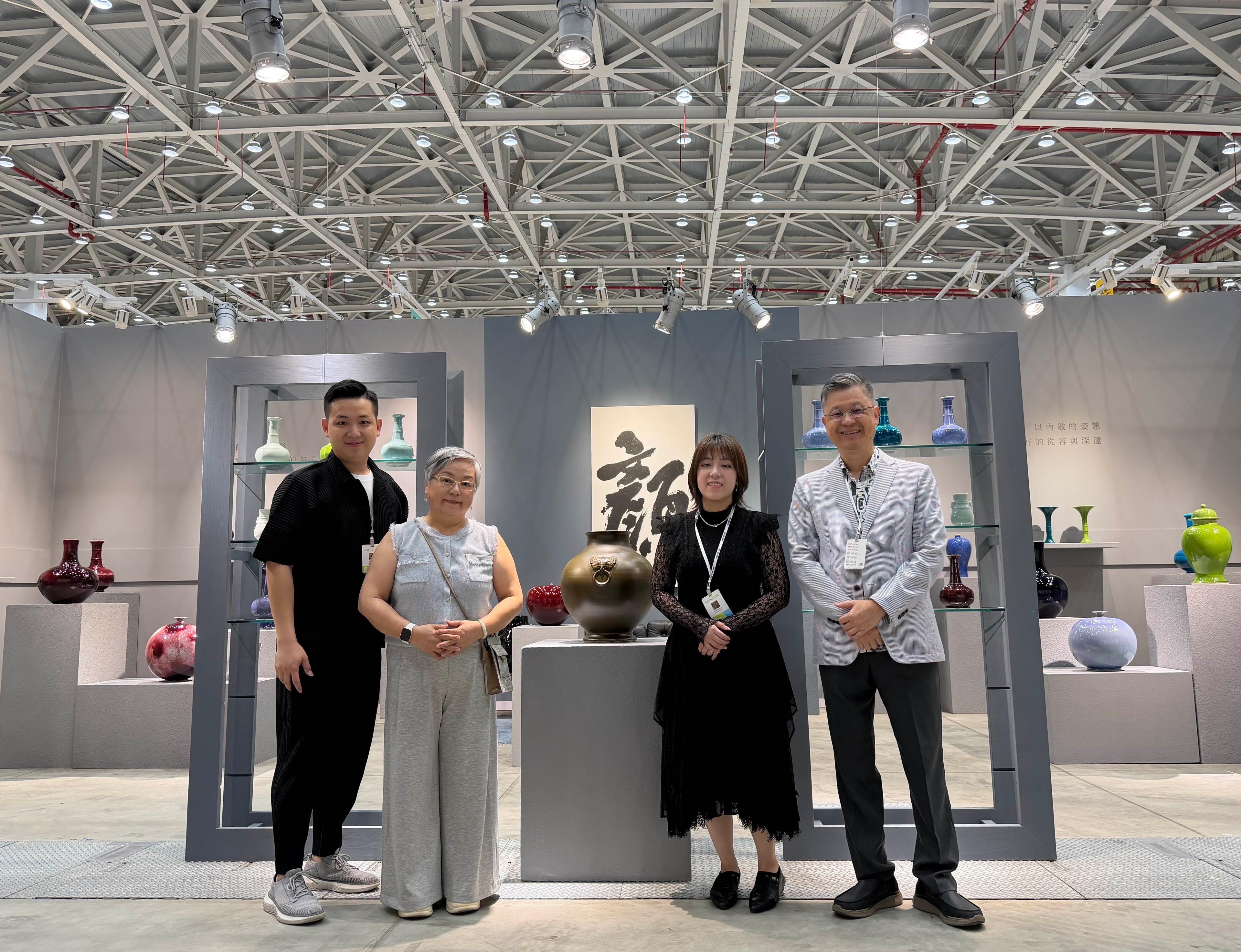
A 30-Year Legacy and Thousands of Artworks: Why One Gallery Moved Beyond Traditional Management and Rethought Its In-House AI Plans
── What specific operational challenges prompted you to consider adopting a gallery management system?
With over 30 years of history, our gallery has accumulated an extensive and diverse collection of artworks. Managing such a large inventory, both physically and digitally, had become increasingly challenging over the years.
We previously relied heavily on spreadsheets to keep track of our inventory. However, as the number of artworks we needed to manage continued to grow, maintaining consistent records and ensuring data accuracy became increasingly difficult.
As our gallery continued to grow, with plans to expand into additional spaces, we realized that our existing methods were no longer sustainable. We needed a more efficient, centralized, and user-friendly system that could support both our current operations and future expansion.
── Before finding ArtXCloud, you were actually considering developing an in-house tool using AI, weren't you?
Interestingly, yes. We had reached a point where we were seriously considering using AI to help develop our own inventory management system, simply because we hadn't found an existing solution on the market that fully met our needs.
However, data security and long-term system maintenance quickly became major concerns.
For an art gallery, protecting our clients' personal information, transaction records, and artwork data is extremely important. Developing our own system would also mean taking responsibility for its security, reliability, and ongoing maintenance.
Without dedicated in-house IT or cybersecurity specialists, we were hesitant to take on those risks ourselves.

The deciding factors were its gallery-specific design, localization for the Taiwanese market, and the team's genuine commitment to understanding the gallery's needs.
── That was right around the time you were introduced to ArtXCloud.
Exactly. It was around that time that a representative from ArtX reached out and introduced us to the platform. We were genuinely impressed by how comprehensive and thoughtfully designed the platform was. It offered capabilities beyond what we had initially envisioned for our own system.
── What were the decisive factors that led you to choose ArtXCloud over other options?
One of the biggest factors was that ArtXCloud was designed specifically for art galleries. Over the years, we had explored several inventory management systems, but most were developed for conventional retail businesses. While they offered basic inventory tracking, they often lacked the specialized features needed to manage artworks, artists, editions, and the unique workflows of a gallery. What truly set ArtXCloud apart was its support for Traditional Chinese and its localization for the Taiwanese market. This made the system significantly more accessible and practical for our staff, removing a major barrier we had encountered with other solutions. Equally important was our experience with the ArtX team. From the very beginning, they were incredibly attentive, patient, and thorough in walking us through the platform. They gave us ample time to explore the system through trials, answered our questions carefully, and demonstrated a genuine willingness to listen to user feedback. Their openness to feedback and commitment to improving the platform gave us confidence that ArtX was not simply offering a product, but building a solution with the needs of galleries in mind.
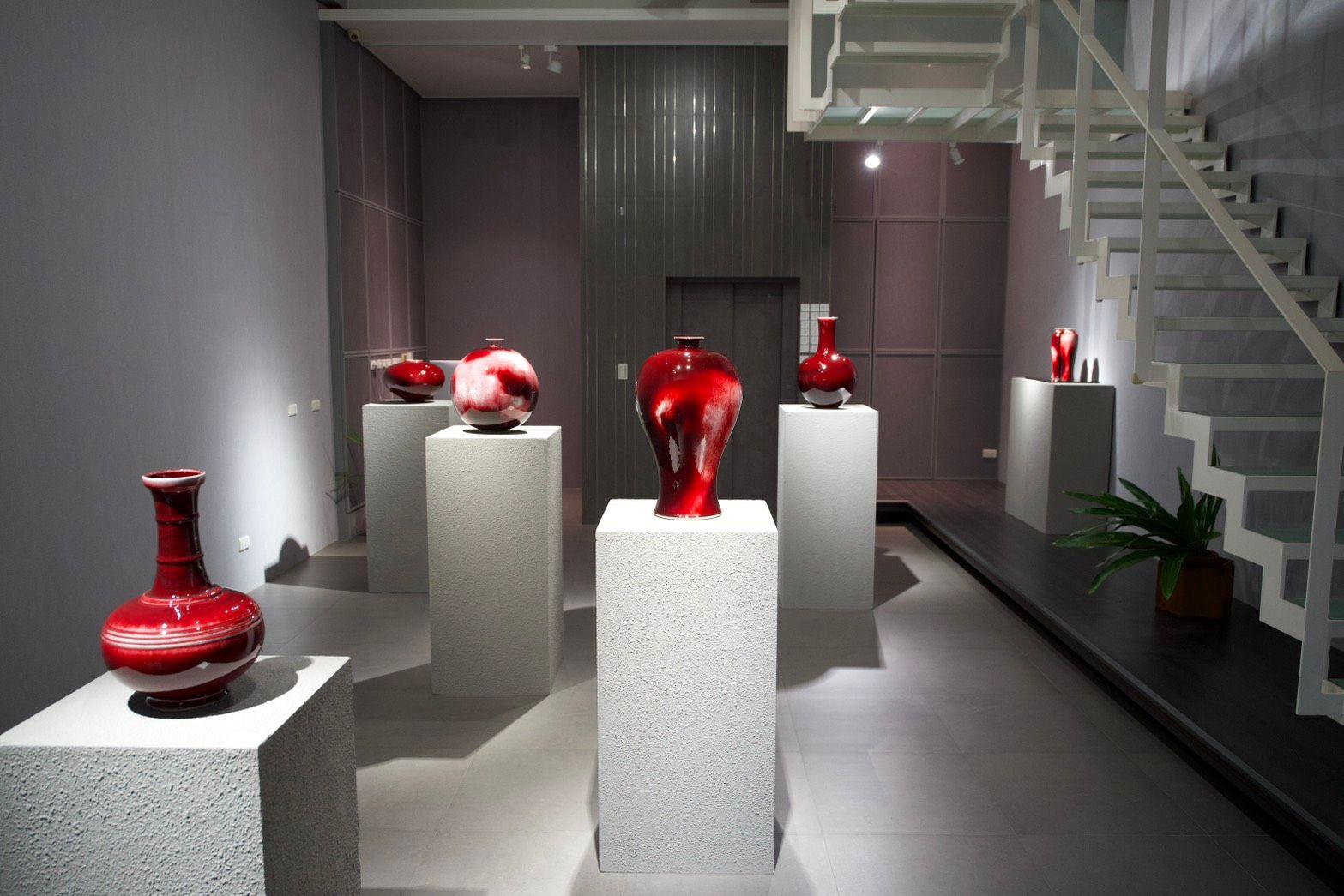
Comprehensive Features for Day-to-Day Gallery Operations, Backed by Hands-On Support and Experience with Over 3,000 Successful Data Migrations
── During the trial, which specific features stood out as particularly valuable for your daily operations?
Artwork location tracking with QR codes is one of the features we are most excited about.
With thousands of artworks distributed across multiple storage and exhibition areas, keeping track of each work's exact location can be a major challenge.
The ability to scan a QR code and update an artwork's location whenever it is moved between storage areas or exhibition spaces could make inventory management and stocktaking significantly faster and more reliable.
The Edition Management feature is also especially useful for our sculptural works and limited editions.
It organizes different editions of the same artwork under one record while still allowing us to track individual pieces, inventory counts, and separate pricing. This eliminates the need to cross-check multiple spreadsheets, giving us a clear overview of each edition at a glance.
Beyond these major features, ArtXCloud also offers a range of thoughtful, practical conveniences that simplify everyday administrative tasks, such as generating and printing artwork labels, invoices, and other documents directly from the system.
These may seem like small conveniences individually, but together, they make a significant difference in our day-to-day efficiency.
── Migrating over 3,000 records is a massive undertaking. What kind of support did the ArtX team provide during data onboarding?
Migrating over 3,000 records was a substantial undertaking, but we were genuinely impressed by the ArtX team's approach.
Rather than simply transferring our existing data into the new system, they took the time to thoroughly review our records, identify inconsistencies, and flag potential errors across multiple spreadsheets.
They then compiled these discrepancies into clearly structured spreadsheets, making it easy for us to review and verify the information. They also made a point of consulting us whenever something needed clarification, rather than making assumptions or changing information without our confirmation.
We particularly appreciate this level of care, especially when dealing with valuable artworks and historical inventory records where accuracy is essential.
For a gallery with over three decades of accumulated records, this process has been incredibly valuable. The migration has become more than just a transition to a new platform; it has also been an opportunity to clean up, standardize, and improve the overall quality of our inventory data.
The team's patience, organization, and attention to detail have made what initially felt like an overwhelming task much more manageable.

A System Built with a Deep Understanding of the Value of Artworks—for Every Gallery
── What message would you share with other galleries considering a transition?
I believe ArtXCloud would be especially beneficial for established galleries with extensive inventories, particularly those that have accumulated decades of artwork records and are still relying on traditional methods of inventory management. For galleries like ours, transitioning away from familiar spreadsheets and physical records can seem like a daunting task. However, having a solution built around the needs of art galleries makes the entire process far smoother. What makes ArtXCloud particularly compelling is that it understands the complexities of managing artworks, rather than treating them like ordinary retail products, grounding itself entirely in the practical realities of gallery operations. Based on our experience so far, I would highly recommend ArtXCloud to galleries looking to modernize their inventory management and build a more organized, scalable foundation for the future.

Get Started with ArtXCloud Today
Sign Up Now for Smarter, Unified Gallery Management No hidden fees-just powerful tools to help you grow.
Contact us