
Design That Leads to Sales: SOM GALLERY on the Potential of Private Views
SOM GALLERY
Founded in January 2023 in Bakurocho, Nihonbashi, Tokyo, and relocated to Jingumae, Shibuya, in October 2026, SOM GALLERY primarily represents artists born in the 1990s—the same generation as its directors—with whom it shares common interests and perspectives. Through its program, the gallery seeks to engage with contemporary society and the people living within it, presenting artistic practices that speak to the concerns of our time.
We spoke with SOM GALLERY owner Masaya Fukuyama about the gallery's adoption of ArtXCloud. From the challenges of managing artworks before implementation and the reasons behind choosing the platform to its use of Private Views and the value it has brought to the gallery, Fukuyama shares how ArtXCloud has contributed not only to greater efficiency but also to new opportunities.
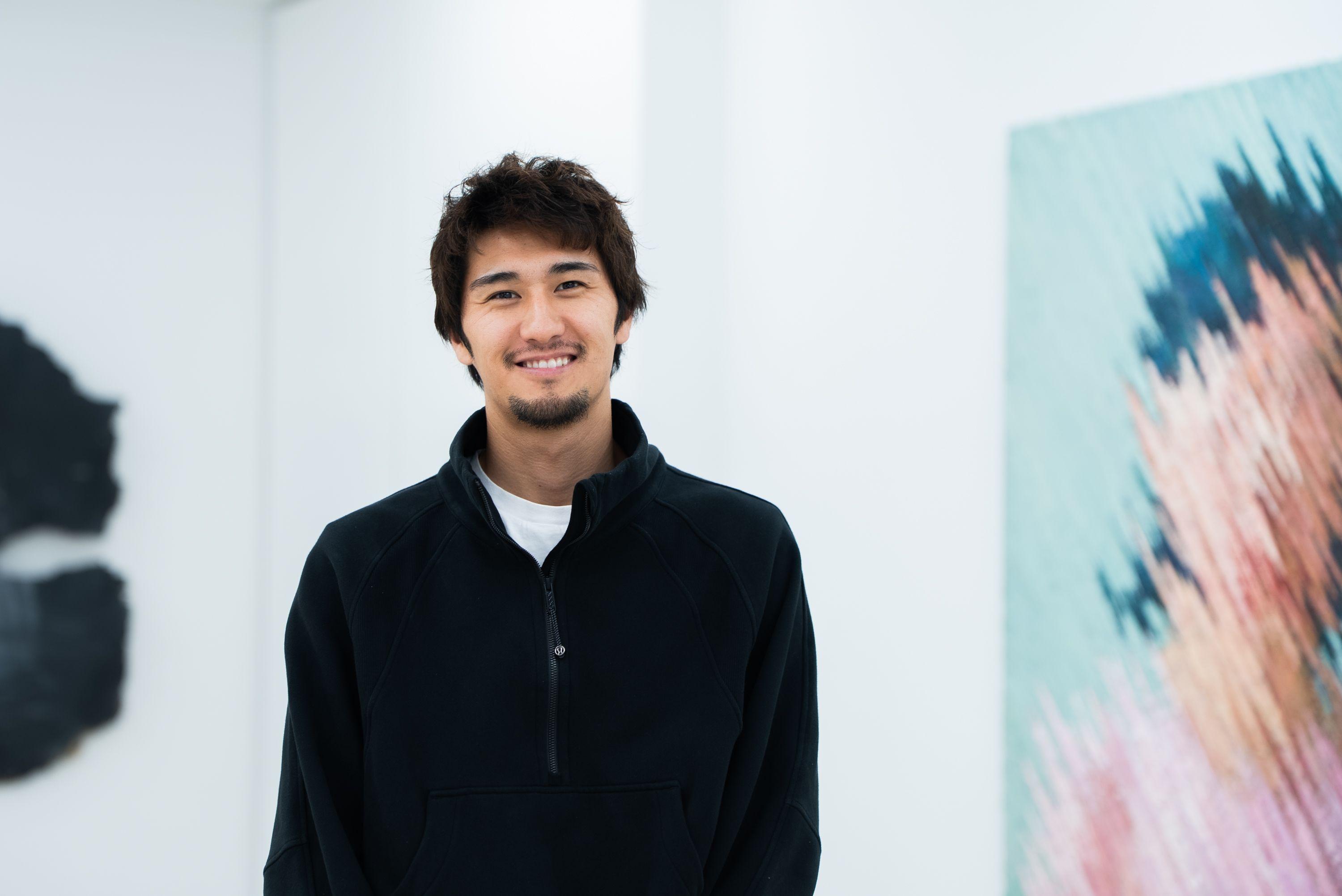
Presenting Contemporary Art in the Making: Nine Artists from Japan and Abroad
Could you tell us about the origins of SOM GALLERY?
SOM GALLERY opened in Bakuroyokoyama in January 2023. At the time, I think we represented just one or two artists. We relocated to Jingumae in October this year, and we now represent nine artists from Japan and abroad.
Is there a particular philosophy or concept that guides the gallery?
We approach each artist's practice from multiple perspectives and through ongoing dialogue, so it's difficult to sum up in a single phrase. But as a contemporary art gallery, one of our guiding principles is to present work that is genuinely of the present moment.
We always consider whether an artist's practice builds upon existing artistic contexts while developing new forms of expression relevant to contemporary society, or expanding the possibilities of visual experience. That's something we're constantly conscious of.

How is the gallery organized?
There are two co-directors, including myself, and an assistant director. We also have several people who help with interpretation and support when artists from overseas visit, as well as someone handling finance. Altogether, we're a team of about five or six.
How do you select the artists you work with?
It starts with dialogue. We want to understand and believe in each artist's practice, and consider whether their work is truly engaged with the present moment and what historical references inform it. We explore those questions through conversations with the artists. Of course, it's also about whether the artists want to work with us. It's a mutual decision.
Most of the time, we're the ones who reach out to artists. Our directors regularly discuss which artists we'd like SOM to represent and which artists around the world we'd like to work with. When the right opportunity or connection comes along, we approach them.
What is your approach to participating in art fairs?
At the moment, many of our collectors are based in Japan and elsewhere in Asia, so we want to participate in more international fairs and build networks overseas. And that doesn't just mean collectors. It includes artists, museum professionals, the media, and people working in related fields.
For us, art fairs are an opportunity to expand those connections across the broader art ecosystem. We're also hoping to participate in more fairs in Japan starting around next year.
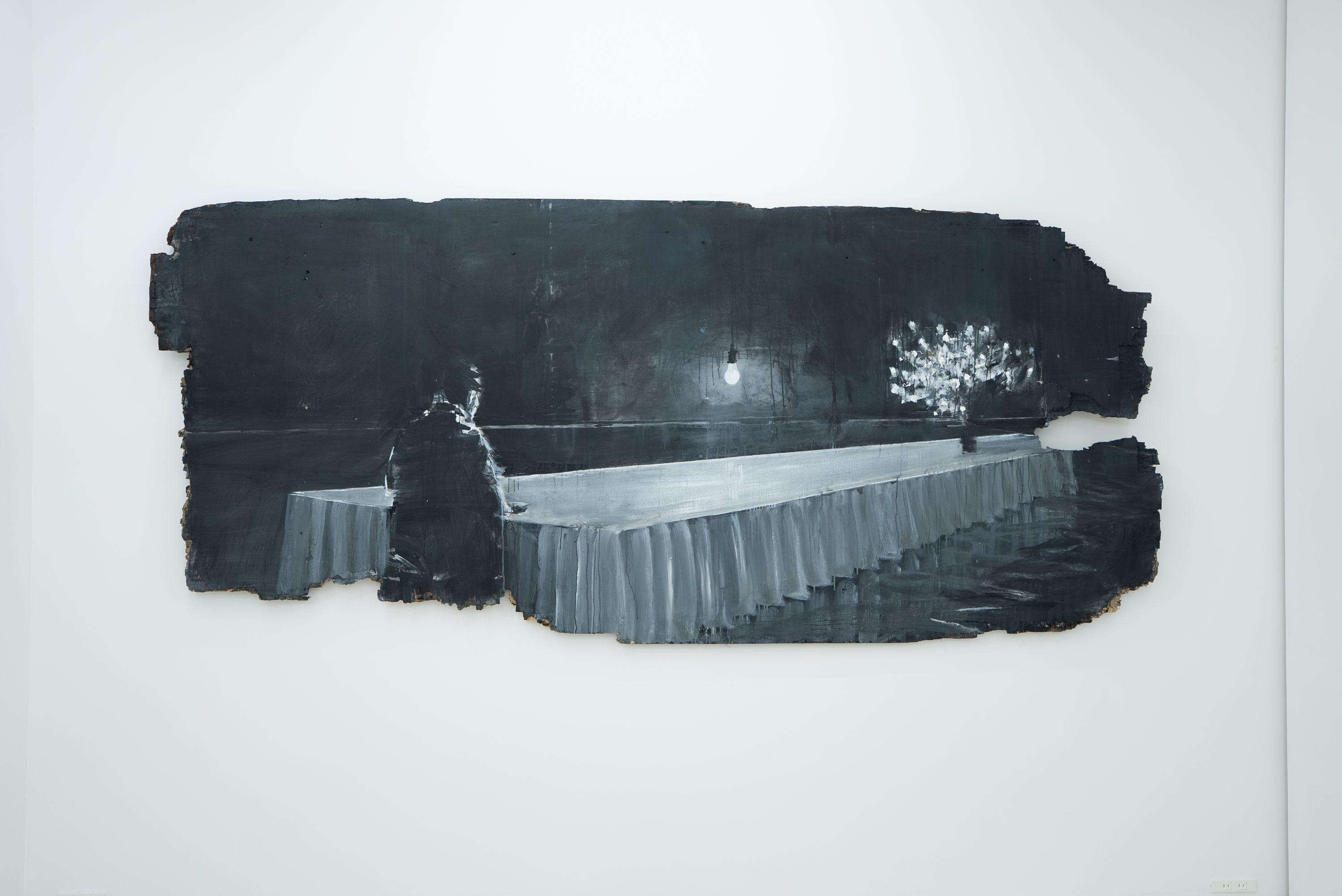
Before ArtXCloud: Artwork Management Dependent on Word Documents and Spreadsheets
Before introducing ArtXCloud, what challenges did you face with artwork management and preparing price lists?
Honestly, it was pretty bad.
Before ArtX, everything was done manually. We created documents in Word and managed information in spreadsheets, using processes that depended entirely on individual staff members. For price lists, we were basically reusing the same templates and updating them each time.
Had you considered looking for tools to streamline those processes?
I knew we needed something, but we were so overwhelmed with day-to-day work that we never got around to actively searching for a solution.

The Deciding Factor: Design That Is Not Only Beautiful, but Intuitive
What made you choose ArtXCloud?
There were several reasons, but what appealed to me most was the quality of the design.
That includes the design of the Private Views, but also the experience of using the platform as a management tool. It's not simply visually appealing; it's genuinely easy to use. I think that combination of aesthetics and usability was the deciding factor.
Did you have any concerns before introducing the platform?
I was a little worried about whether we'd actually end up using it. But once we started, we found it incredibly useful.
Did you handle the data migration yourselves?
Yes. We had a lot of detailed information, including internal notes and historical records that only we could really understand. We decided it would be faster to handle the migration ourselves.
Sometimes I work on it, and sometimes our staff do. We're actually still working through some of the data, but the most intensive part took about a week.
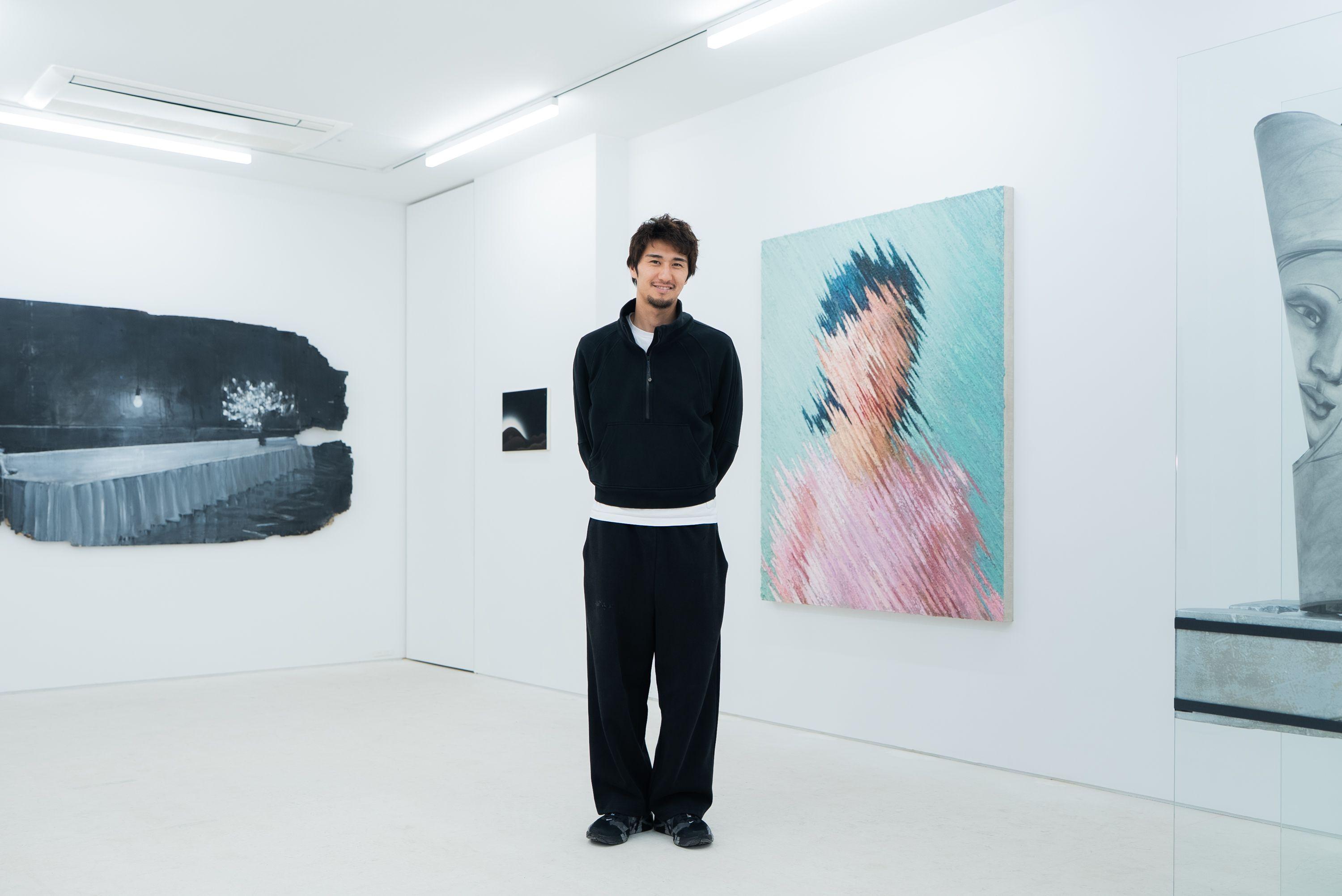
Beyond Efficiency: Creating New Value and Opportunities
How has ArtXCloud changed the way you work?
Rather than simply reducing the amount of work we do, it feels more like ArtXCloud has added something to our business.
For example, we've been able to reach people who might not otherwise have encountered our artists' work through ArtX. There have also been purchases that happened because of how the works were presented through the platform—because of the design itself.
Those kinds of positive outcomes have actually been quite significant for us. Of course, there are efficiency gains too, but what stands out to me is the additional value it's created.
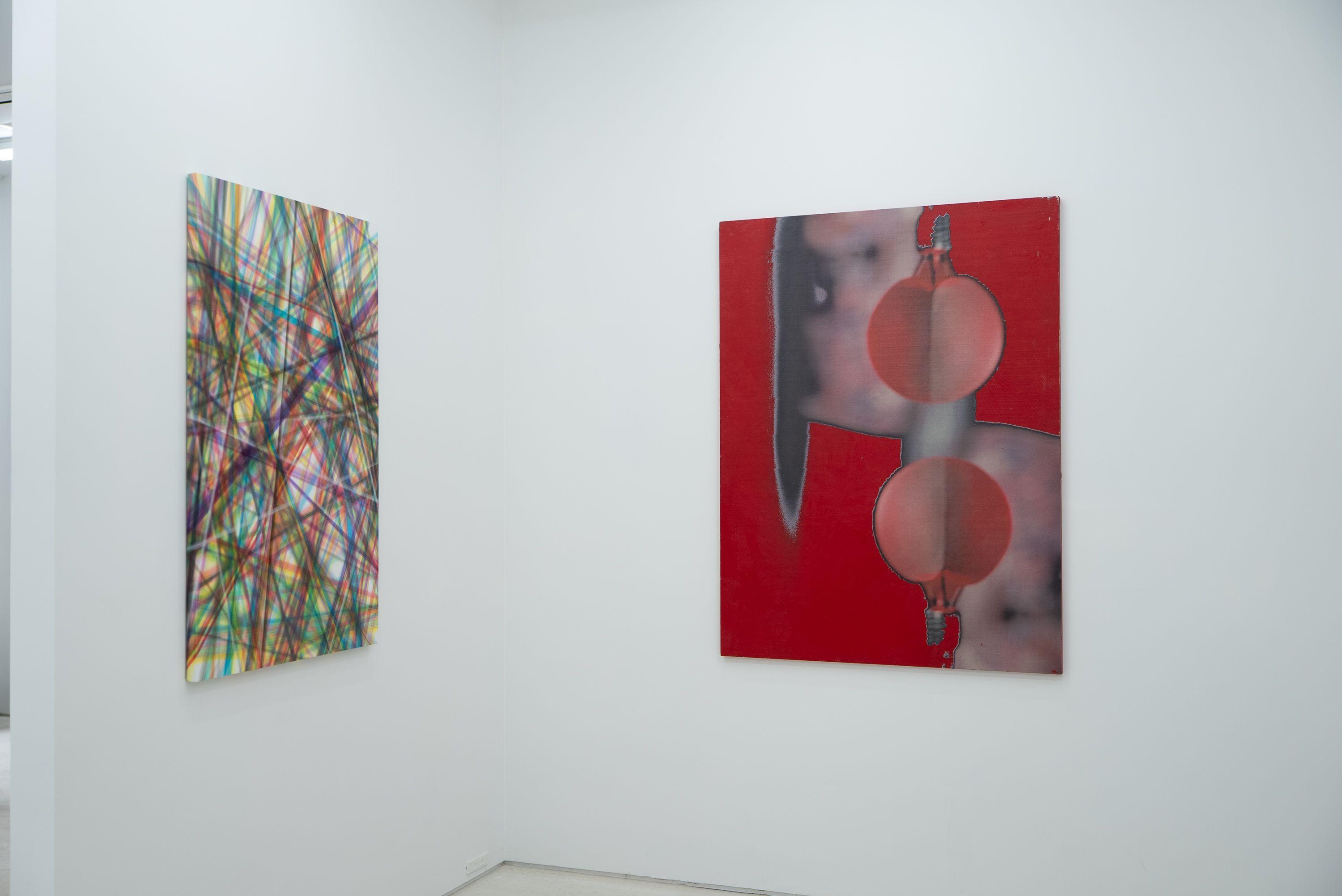
Private Views: The First Thing We Create for Every Exhibition
What is the Private View feature?
ArtXCloud's Private View feature allows galleries to create web-based artwork presentations for collectors using works registered on the platform. Each presentation can include multiple images per artwork, prices in both Japanese yen and US dollars, and artwork titles in Japanese and English.
Galleries can share the resulting link directly via email, LINE, Instagram DMs, or other communication channels.
How do you use Private Views at SOM GALLERY?
We basically create a Private View as the artwork list for every exhibition. In fact, it's the very first thing we prepare for each show.
The main purpose is to share artworks with collectors. Rather than creating a customized presentation for every individual collector, we usually prepare one comprehensive Private View and send it to everyone.
What makes it more convenient than your previous approach?
Being able to include multiple photographs of each artwork is really useful. It's also easy to manage prices in both yen and dollars, and to include artwork titles in Japanese and English within the same presentation. Those details make a real difference.
How many Private Views do you typically create for a single exhibition?
We usually start with one for each exhibition. If it's a group show and someone asks to see works by a particular artist, we'll create a separate one. On average, I'd say we make two or three.
For our current exhibition, each artist has one work on display, but some artists also have around five additional available works, so we include those as well. Altogether, I think the current Private View contains about 17 works.
After an exhibition closes, we sometimes use Private Views as a kind of consolidated catalogue of available works that remain on consignment with the gallery.
How do you share Private Views with collectors?
We use both LINE and Instagram DMs. I'd say it's roughly half and half. For international collectors, we also use email. It really depends on how we're already connected with each individual collector.
For a New Generation of Galleries: Looking Ahead
What kinds of galleries would you recommend ArtXCloud to?
I think galleries with a similar operating style to ours, particularly those run by people of our generation, would really appreciate it.
What would you like to see from ArtXCloud in the future?
At the moment, Private Views are primarily focused on individual artworks. But when you're communicating with museum professionals, for example, they often want to understand an artist's broader concept or see installation views of an exhibition.
It would be great to have a beautifully designed presentation that brings all of that information together—an artist's concept, installation views, and individual artworks—in one place. It wouldn't necessarily need to include prices.
What I'd really like is a design-focused artist presentation that can be shared through a single link.
We used to create price lists that included lots of installation views, which served both purposes at once. But putting those together manually was incredibly time-consuming.
Get Started with ArtXCloud Today
Sign Up Now for Smarter, Unified Gallery Management No hidden fees-just powerful tools to help you grow.
Contact us